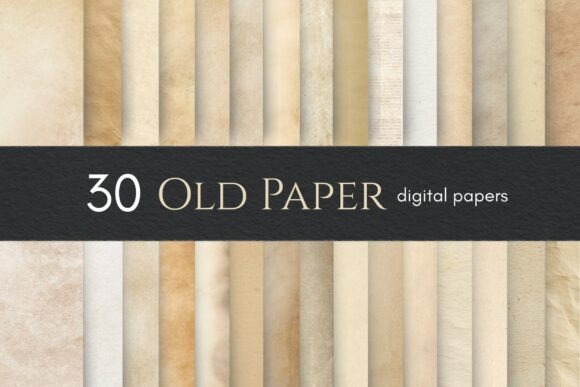
30 Old Paper Textures, Vintage Papers: A Strategic Tool for Creative and Business Projects
In a world where digital design dominates, the timeless appeal of 30 Old Paper Textures, Vintage Papers offers a unique way to infuse authenticity and character into creative and commercial projects. These textures are more than just aesthetic choices—they are strategic assets that can enhance visual storytelling, brand identity, and user engagement. Whether you're a small business owner, a digital artist, or a designer looking to elevate your work, understanding how to leverage these vintage paper backgrounds can lead to better results.
Understanding the Value of 30 Old Paper Textures, Vintage Papers
The 30 Old Paper Textures, Vintage Papers collection is designed for those who want to add a touch of nostalgia and sophistication to their designs. Each texture is crafted with attention to detail, offering a range of aged, weathered, and distressed paper styles. These digital papers are ideal for scrapbooking, digital art, invitations, and other creative projects that benefit from a vintage feel. The high-resolution format ensures they can be used both for print and digital purposes without compromising quality.
What sets this collection apart is its versatility. The textures can be layered, overlaid, or used as standalone backgrounds, making them adaptable to a wide range of design needs. For professionals in fields like marketing, branding, and content creation, these textures provide a practical way to differentiate their work and create a cohesive visual language.
Strategic Use Cases for 30 Old Paper Textures, Vintage Papers
When integrated thoughtfully, 30 Old Paper Textures, Vintage Papers can support specific goals such as enhancing brand storytelling, improving user experience, or creating a consistent visual theme across multiple platforms. For example, a small business owner might use these textures to design social media posts, email newsletters, or promotional materials that evoke a sense of history and craftsmanship.
Consider a scenario where a boutique shop wants to promote a new line of handmade goods. By using aged paper textures as background elements in their online store or marketing collateral, they can communicate authenticity and quality. This approach not only strengthens the brand's visual identity but also resonates with customers who value traditional craftsmanship.
Similarly, a digital artist working on a personal project might use these textures to create a nostalgic atmosphere in their artwork. The right texture can set the tone, guide the viewer’s focus, and add depth to the composition. This level of intentionality can make a significant difference in the impact of the final piece.
Planning and Positioning: How to Approach 30 Old Paper Textures, Vintage Papers
To maximize the benefits of 30 Old Paper Textures, Vintage Papers, it's important to plan how and when to use them. Start by identifying the purpose of your project. Are you aiming to create a vintage-themed event invitation? Design a collage for a journal? Or build a cohesive visual style for a brand? Clarifying your goals will help you choose the most appropriate textures and apply them effectively.
Before incorporating these textures into your work, consider the context. A textured background may work well for a rustic wedding invitation but could clash with a modern, minimalist logo. Understanding the target audience and the desired emotional response is key. For instance, a vintage paper texture might evoke warmth and nostalgia for a family-oriented brand, while a more subtle texture could suit a professional service provider.
Additionally, think about how these textures will interact with other design elements. They should complement, not overpower, the main message or visual hierarchy. Testing different combinations and adjusting opacity, color balance, and layering techniques can help achieve the desired effect without overwhelming the viewer.
Long-Term Value and Brand Consistency
One of the long-term benefits of using 30 Old Paper Textures, Vintage Papers is the ability to maintain consistency across various design outputs. For businesses, this consistency helps reinforce brand recognition and trust. When customers see the same visual style in emails, social media posts, and printed materials, it creates a stronger connection with the brand.
For creators and entrepreneurs, this collection can serve as a go-to resource for future projects. Instead of searching for new textures each time, having a curated set of high-quality options saves time and effort. This efficiency can be especially valuable for those managing multiple projects or working under tight deadlines.
Risks of Using 30 Old Paper Textures, Vintage Papers Without Purpose
While 30 Old Paper Textures, Vintage Papers offer many advantages, using them without clear intent can lead to negative outcomes. Randomly applying textures without considering the overall design can result in cluttered, confusing, or unprofessional-looking work. It's easy to fall into the trap of overusing textures or choosing ones that don't align with the project's goals.
Another risk is failing to account for technical requirements. While the high-resolution format is suitable for both print and digital use, improper application—such as using low-opacity layers or incorrect file formats—can affect the final output. It's essential to understand how to properly integrate these textures into your workflow to avoid issues during production.
Practical Tips for Intentional Use
To use 30 Old Paper Textures, Vintage Papers intentionally, start by defining the mood or message you want to convey. Do you want to create a warm, inviting feel? A rugged, industrial look? Once you have a clear vision, select textures that match that aesthetic. Experiment with blending modes, color adjustments, and layering to find the best fit.
For commercial use, ensure that the textures are applied in a way that aligns with your brand guidelines. If you're working with a team, communicate the intended use of each texture to maintain a cohesive look. Regularly review your designs to ensure they meet the desired standards and adjust as needed.
Finally, keep an eye on trends and evolving design preferences. While vintage aesthetics remain popular, staying informed about current styles can help you make more relevant and effective design decisions.
Conclusion: Elevating Creativity and Business Strategy
30 Old Paper Textures, Vintage Papers is more than just a collection of digital assets—it's a strategic tool that can enhance creativity, strengthen brand identity, and improve the effectiveness of design projects. By using these textures with intention and purpose, creators and business owners can achieve better results and stand out in a competitive market.
Whether you're designing for personal expression or commercial success, understanding how to strategically incorporate vintage paper textures can lead to more thoughtful, impactful work. With the right approach, these textures can become a valuable part of your creative toolkit, helping you achieve your goals with style and substance.